
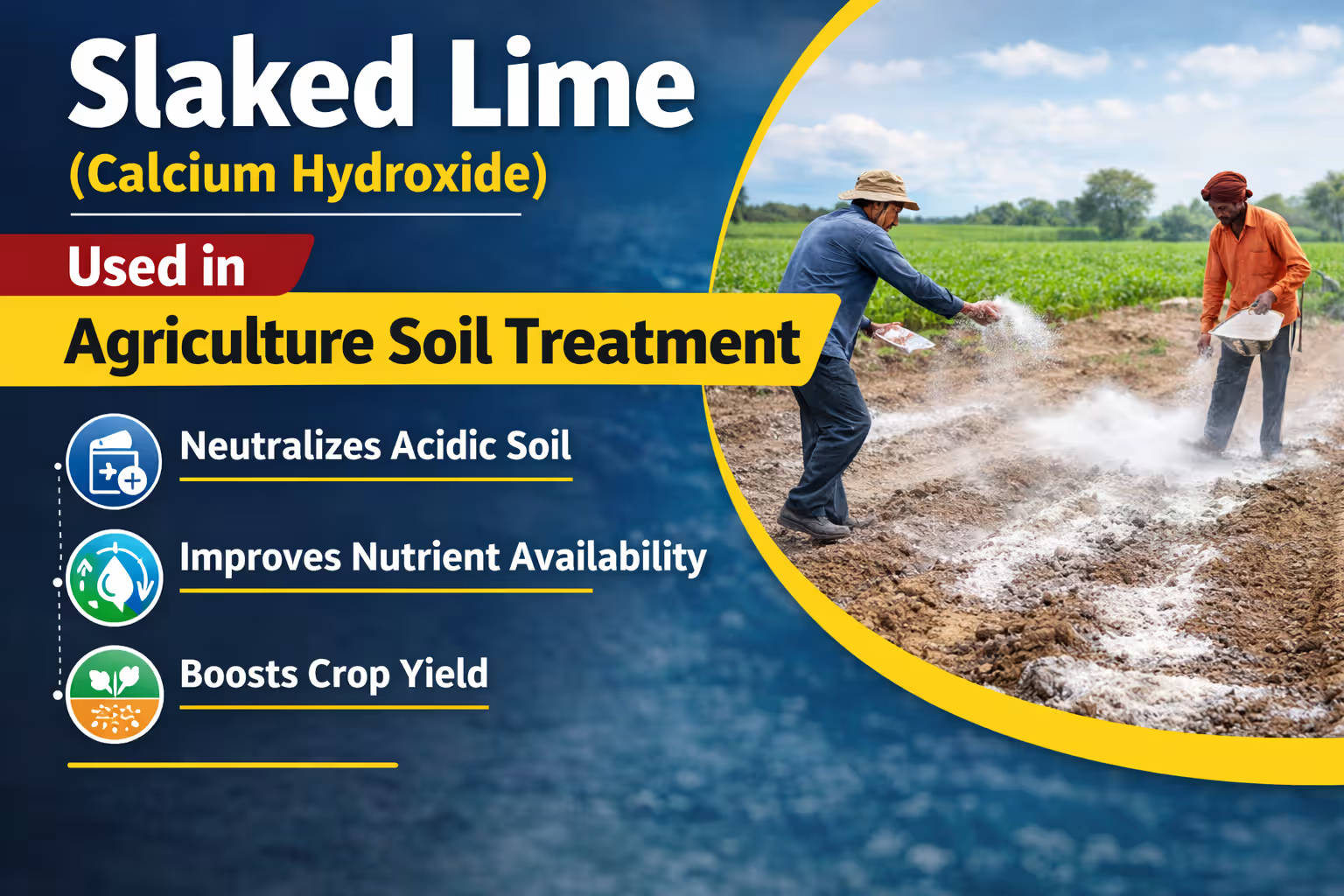
Healthy soil is the foundation of productive agriculture. In many regions, soil becomes too acidic, which affects crop growth and reduces nutrient availability. To solve this problem, farmers often use Slaked Lime, also known as Calcium Hydroxide (Ca(OH)₂) or Hydrated Lime.
Slaked lime is widely used in agriculture for soil treatment and pH correction. It helps neutralize acidic soil, improve soil structure, and increase the availability of essential nutrients for crops. Because of these benefits, lime treatment has become an important agricultural practice around the world.
What is Slaked Lime in Agriculture?
Slaked lime is a white alkaline powder produced by adding water to quicklime. In agriculture, it is mainly used as a soil conditioner to balance soil acidity.
When applied to acidic soil, slaked lime reacts with acids in the soil and helps bring the pH level closer to neutral, which is ideal for most crops.
Why Soil Treatment is Important
Soil pH plays a major role in crop productivity. When soil becomes too acidic:
-
Nutrients become unavailable to plants
-
Crop growth slows down
-
Soil microorganisms become less active
-
Fertilizer efficiency decreases
Applying lime helps restore the natural balance of soil chemistry.
Benefits of Slaked Lime for Soil Treatment
1. Neutralizes Acidic Soil
Slaked lime raises the soil pH and neutralizes acidity, creating a healthier environment for crops.
2. Improves Nutrient Availability
Balanced soil pH allows plants to absorb nutrients like:
-
Nitrogen
-
Phosphorus
-
Potassium
more effectively.
3. Enhances Soil Structure
Lime improves soil texture and increases aeration, which helps roots grow better.
4. Supports Soil Microorganisms
Beneficial microorganisms thrive in balanced soil conditions, improving organic matter decomposition.
5. Increases Crop Yield
By improving soil quality, slaked lime helps farmers achieve better crop productivity and healthier plants.
Crops That Benefit from Lime Treatment
Many crops grow better in soils treated with lime.
Examples include:
-
Wheat
-
Corn
-
Rice
-
Sugarcane
-
Vegetables
-
Pulses
These crops require balanced soil pH for optimal growth.
How Slaked Lime is Applied to Soil
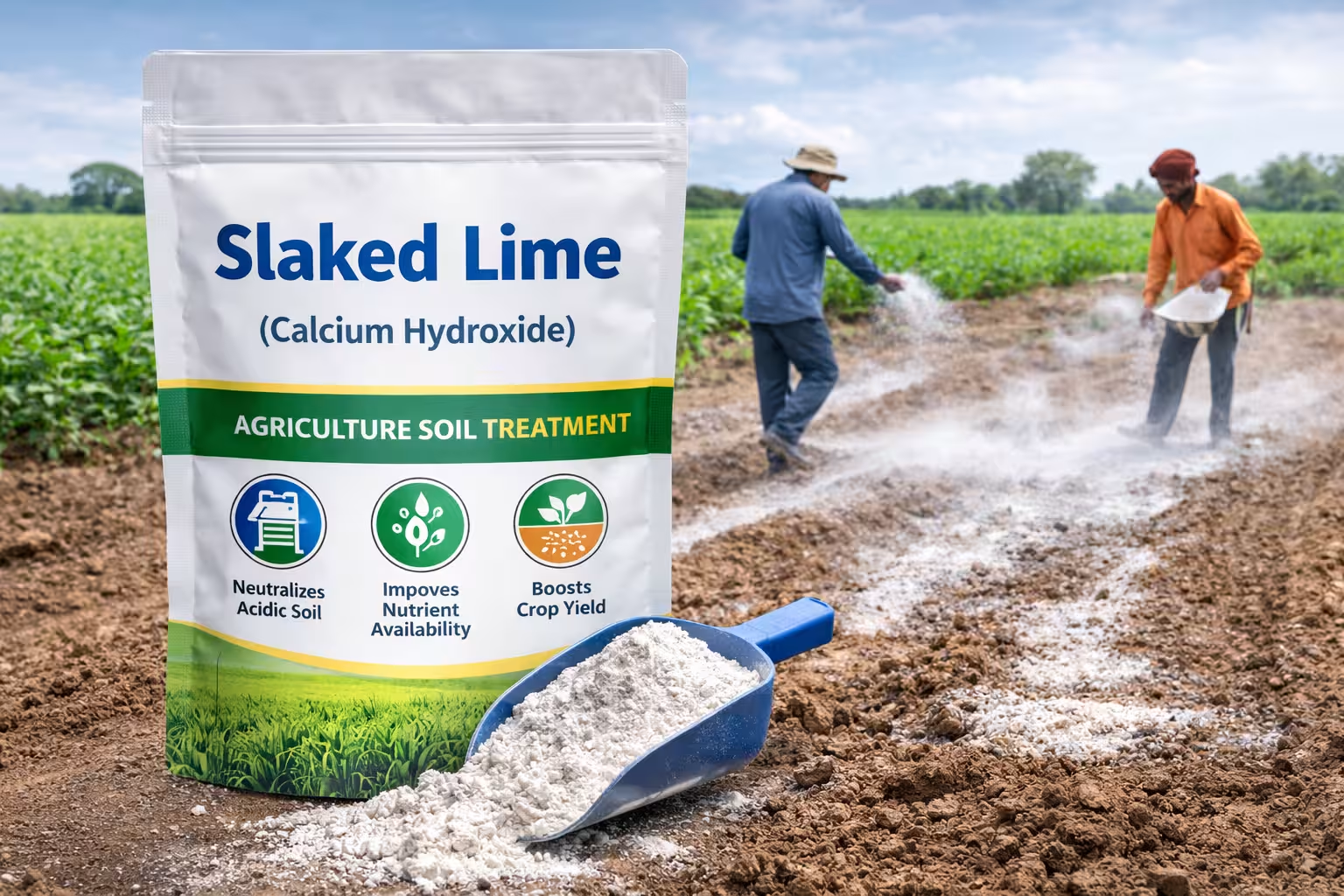
Farmers apply slaked lime to soil using different methods depending on the crop and soil condition.
Common Methods
-
Broadcasting lime powder over the field
-
Mixing lime with soil during ploughing
-
Applying lime before planting crops
The correct amount depends on soil acidity and crop requirements.
Advantages of Using Slaked Lime in Agriculture
✔ Improves soil fertility
✔ Neutralizes soil acidity
✔ Enhances crop growth
✔ Increases fertilizer efficiency
✔ Improves soil microbial activity
Because of these benefits, slaked lime is widely used as a soil amendment in modern agriculture.
Frequently Asked Questions (FAQs)
1. Why is slaked lime used in agriculture?
Slaked lime is used to neutralize acidic soil and improve nutrient availability for crops.
2. What is the chemical formula of slaked lime?
The chemical formula is Ca(OH)₂ (Calcium Hydroxide).
3. Does lime increase crop yield?
Yes. By improving soil pH and nutrient availability, lime can increase crop productivity.
4. How often should lime be applied to soil?
Lime is typically applied every 2–3 years, depending on soil acidity and crop type.
5. Is slaked lime safe for agriculture?
Yes, when used in proper amounts, slaked lime is safe and beneficial for soil treatment.
Slaked lime plays a crucial role in agriculture soil treatment by neutralizing acidity, improving soil structure, and enhancing nutrient availability. These benefits help farmers maintain healthy soil and achieve higher crop yields.
With increasing demand for sustainable farming practices, the use of hydrated lime in agriculture continues to grow worldwide.